Best Open-Weight LLM in 2026: Why the License Decides, Not the Ranking
Open AI models are free to download. But the license, not the leaderboard, decides what you can actually build. Here is why that matters in 2026.

Some of the most capable AI models in the world are now free to download. You can pull the finished model onto your own computers and run it yourself, with no subscription and no monthly bill to a tech giant. These are the open-weight large language models, the AI engines behind chatbots and coding assistants, published so that anyone can use them. People rank them endlessly: which one is smartest, which one tops the leaderboard this month.
That ranking is the wrong place to start. The download button is identical for every one of them, and what actually decides whether you can build a product on a model is the license, the legal fine print attached to that download. It is the part almost nobody reads, and the part that quietly decides everything.
”Open weight” is not the same as “open source”
When a company releases an open-weight model, it publishes the trained model itself as a file you can download, run, and adapt to your own needs. You get the finished brain. You do not necessarily get the freedom to do whatever you want with it.
That second part is what “open source” usually implies, and the two phrases get mixed up constantly. A truly open-source release would hand you the full recipe and the right to use it without restriction. An open-weight release just hands you the model. Whatever you are then allowed to do with it depends entirely on the license stapled to the download. Calling a model “fully open” because you could download it is exactly the confusion that gets teams in trouble later.
So the real question hiding behind the word “open” is a simple one: what does this license actually permit? And the answers differ far more than the download pages suggest.
The license is the part that decides
Open-weight licenses fall into two broad camps, and the gap between them is the whole story.
A permissive license puts almost no strings on you. The two most common, named MIT and Apache 2.0, let you build a commercial product on the model, adapt it, sell what you make, and never call the company that released it. You download the model and you are genuinely on your own, in the good sense.
A restricted license hands you the same file but attaches conditions. It might forbid certain uses, dictate how you can pass the model on, or, most commonly, set a size limit: free to use, but only until your product gets big, at which point you have to go back to the company and ask permission. The download looks identical. The legal reality does not. This is the catch a free, “open” model can hide: a string that only tightens once you start to succeed.
For anyone building something they hope will grow, this is the first thing to check, not the last. A leaderboard tells you which model is cleverest today. The license tells you whether you are allowed to depend on it tomorrow.
Free to download does not mean cheap to run
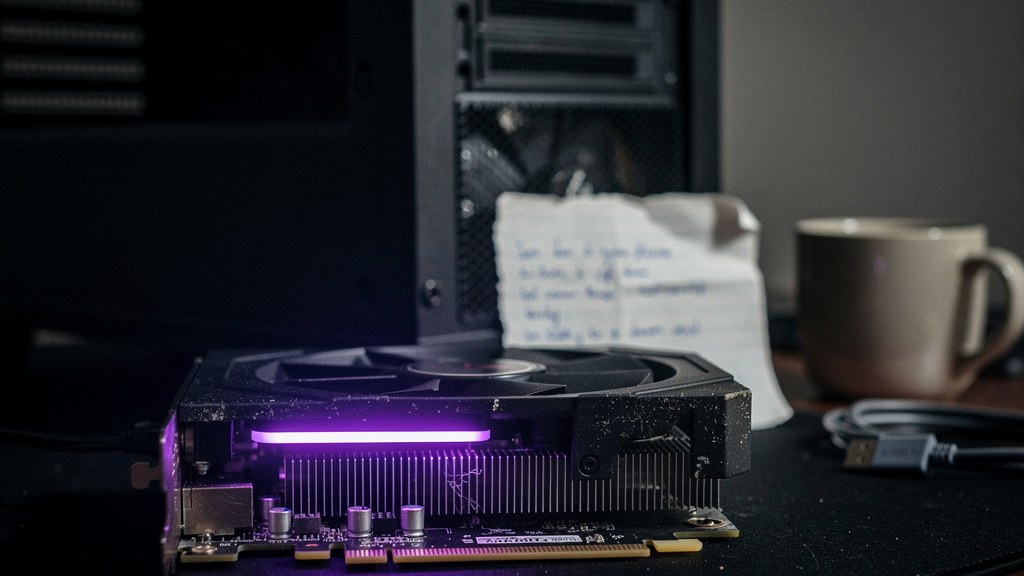
There is a second trap worth naming, because it costs real money. A model being free to download says nothing about how expensive it is to keep running. The largest open models are enormous files, and to run one you have to hold the whole thing in your computers’ fast memory, which is the costly part of the hardware. A model can be free in every legal sense and still demand a small server room to host.
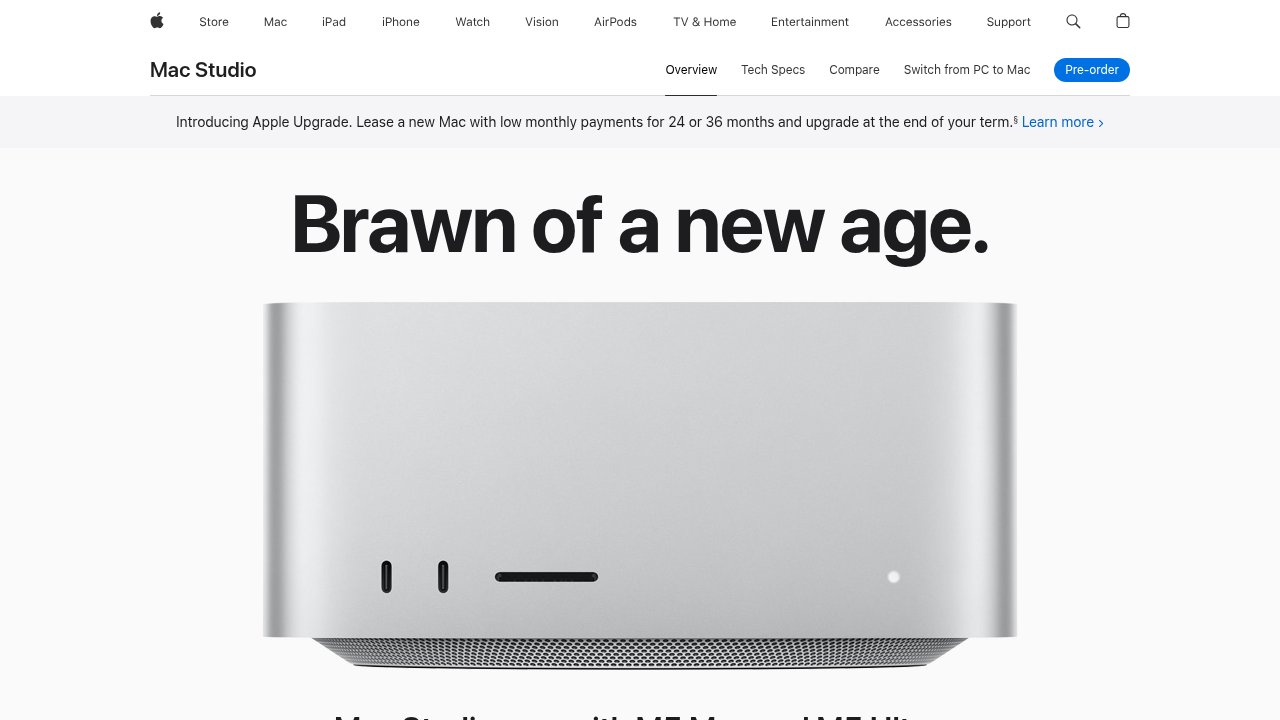
So “open” answers the question of permission, not the question of cost. Smaller models run on a single capable machine and stay predictable to budget. The giants need a cluster. If you are weighing what it takes to host one of these yourself, our comparison of local AI machines for large models lays out where each class of hardware tops out. License and hosting cost are two separate questions, and a permissive license does nothing to shrink the bill.
The leading families, and what their licenses really allow
In mid-2026, four families dominate the open-weight conversation: DeepSeek, Qwen, Mistral, and Llama. They are useful less as a horse race than as a tour of the licensing spectrum, because each sits in a different spot on it.
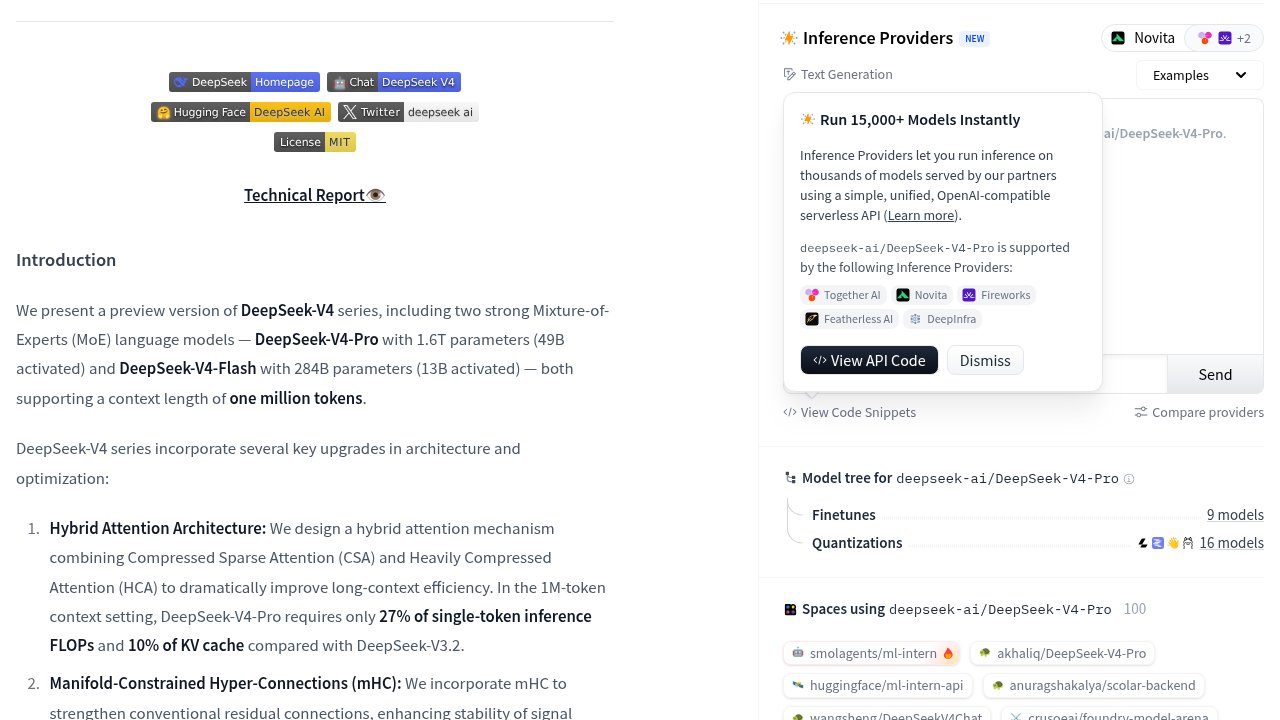
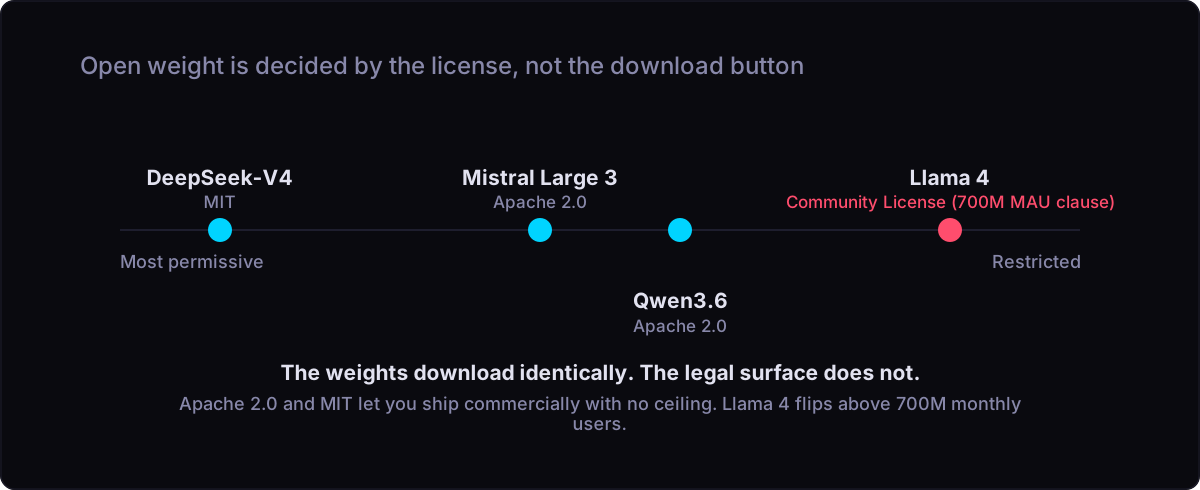
DeepSeek releases its flagship under the MIT license, about as permissive as it gets: build on it, sell it, redistribute it, with effectively nothing to ask anyone. Qwen, from Alibaba, ships its mainstream models under Apache 2.0, the other genuinely open camp, and tends to release sizes that fit on hardware a single team can actually own. Mistral, the European contender tuned for working across many languages, also releases its flagship under Apache 2.0, which is worth noting because earlier Mistral flagships came with research-only strings that blocked commercial use. Llama, from Meta, is the one to read carefully.
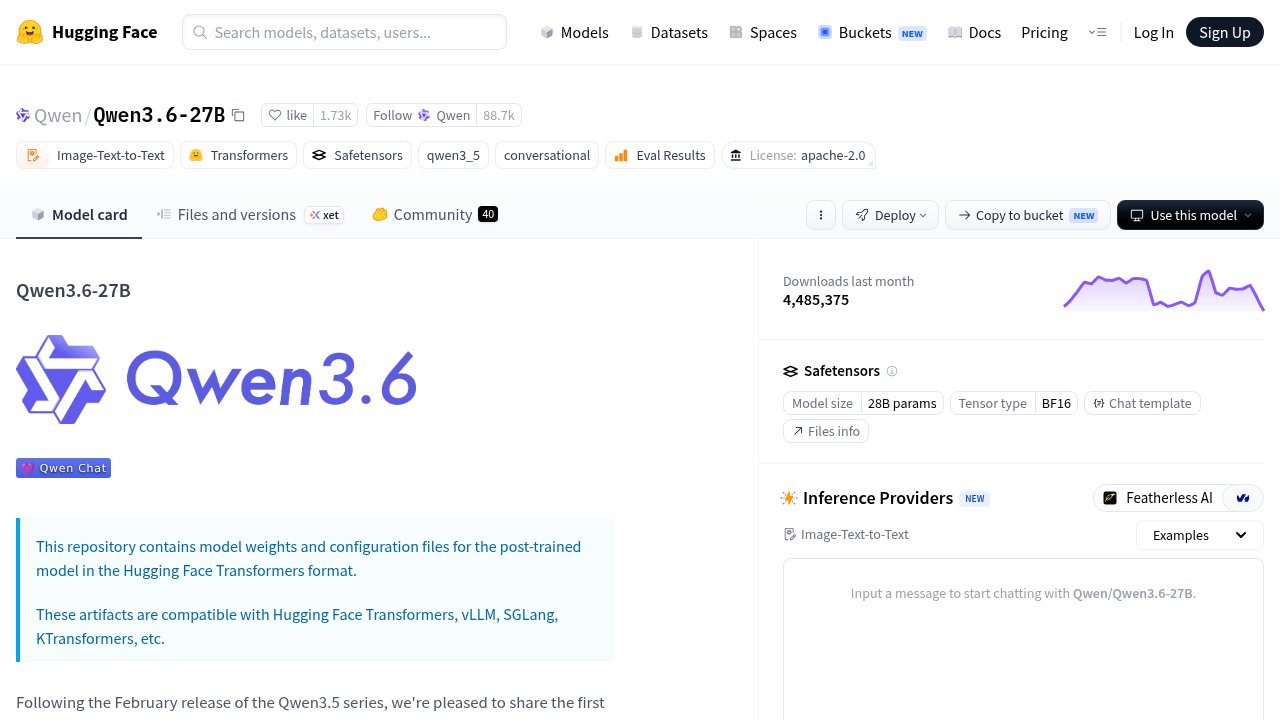
Llama is the model many teams reach for out of habit, and its weights are public and strong. But it does not ship under MIT or Apache. It comes under Meta’s own community license, which is free for commercial use only up to 700 million users a month. Cross that line and you need a separate agreement with Meta, granted at the company’s discretion. Almost no one will ever approach that number, so in practice the clause is harmless. It is also the exact reason Llama is open-weight but not open-source: it carries a condition that a permissive license simply does not have, and any careful legal review will flag it.
A word of caution on the noise around these families. Companies routinely keep a top-tier “Max” or “Plus” version closed and reachable only online, while releasing the rest of the family openly, and some announced models never actually ship. Before you commit, confirm the license on the specific model you intend to run, not the family name in a headline.
How to actually choose
Once you stop chasing the ranking, the choice falls out of two questions you can answer yourself.
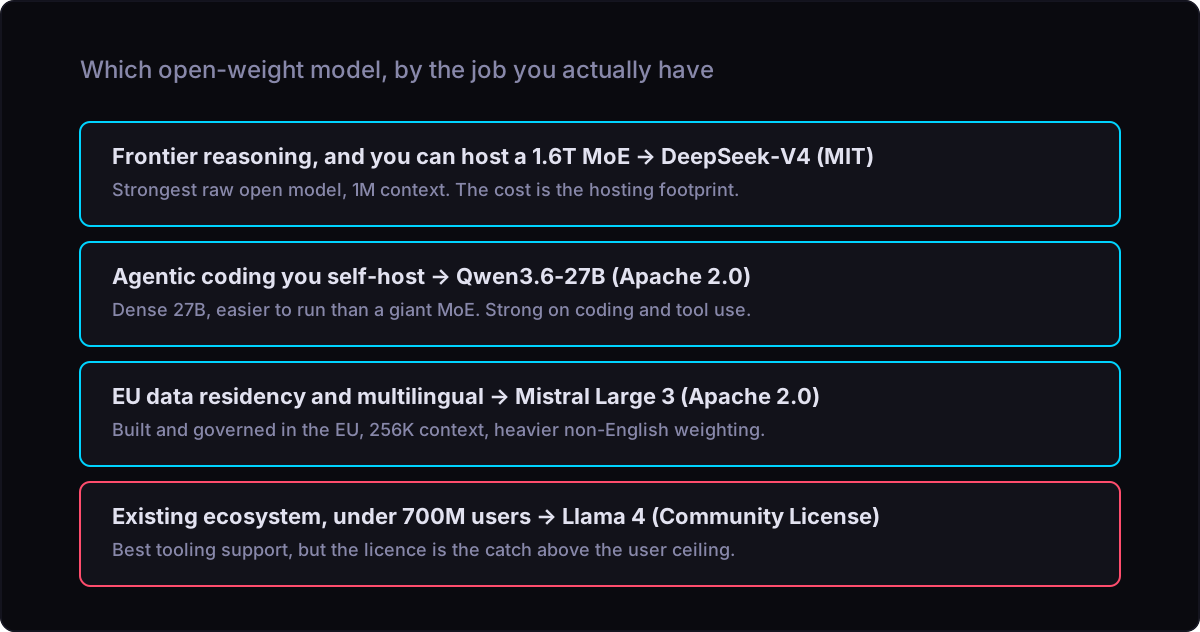
First, what does your project legally need? If you are building something commercial that might grow, a permissive license, MIT or Apache 2.0, means you never have to go back and ask permission. That points to DeepSeek, Qwen, or Mistral. If you are comfortable inside the limits and want Meta’s ecosystem, Llama is fine, as long as someone has actually read the clause.
Second, what can you afford to host? A smaller model that runs on hardware you already own beats a nominally smarter giant that needs a cluster you do not have. For most teams, the model that fits the machine they own wins over the model that tops the chart. If your next step is adapting a model to your own data, our practical guide to fine-tuning a model walks through doing it on a size you can realistically run.
Fix those two things, the license you can live with and the hardware you can fill, and the field sorts itself. The leaderboard rank, the thing everyone leads with, is the last input that matters, not the first.
Frequently asked questions
Is DeepSeek open weight or open source?
DeepSeek’s flagship is released under the MIT license, one of the most permissive there is. You can download it, adapt it, and use it commercially with effectively no restrictions. Whether that counts as “fully open source” is a matter of definition: MIT itself is an open-source license, but what you download is the finished model, not the complete recipe and training data behind it. For practical purposes, it is about as unrestricted as open models get.
Is Llama open source or open weight?
Llama is open weight, not open source. Its weights are public, but it ships under Meta’s own community license rather than a standard open one like MIT or Apache. You can use it commercially for free up to 700 million users a month; above that, you need a separate agreement with Meta. That user limit is precisely why Llama is correctly called open-weight and wrongly called open-source.
What is the difference between an open and a closed model?
An open-weight model is published as a file you can download and run on your own hardware. A closed model stays private and lets you reach it only through the company’s online service: you send a request, you get an answer, but you never hold the model. DeepSeek, Qwen, Mistral, and Llama are all open-weight. Closed models trade that control for convenience, since someone else handles all the hosting.
Is a “Max” or “Plus” version still open?
Not reliably, and you should not assume it is. Companies often keep their very top model closed and online-only while releasing the rest of the family openly. The safe habit is to check the license on the exact model you plan to use, rather than trusting that everything under a familiar brand name is open.
Which open model is cheapest to run?
Usually the smallest one that still does your job. The cost of running a model yourself comes down to how much of it you must hold in memory at once, so a compact model on a single machine is far cheaper to host than one of the giants, which need several machines working together. The cleverest model on the leaderboard and the cheapest one to run are rarely the same model.
Photo : cottonbro studio / Pexels