Le Chaton Fat: a fake AI model, and what the joke got wrong about Europe
A fake Mistral model went viral mocking European AI. The joke leaned on one scoreboard, and missed the two that matter most to anyone using AI.
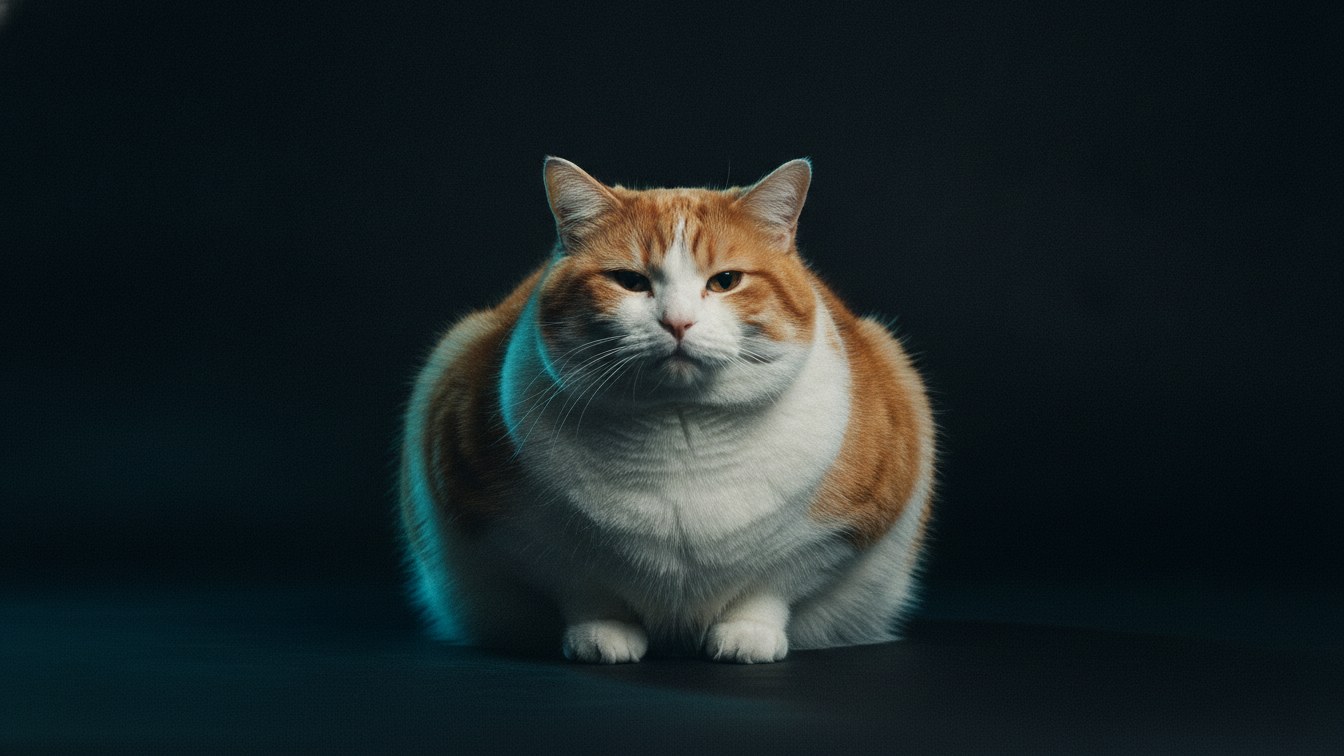
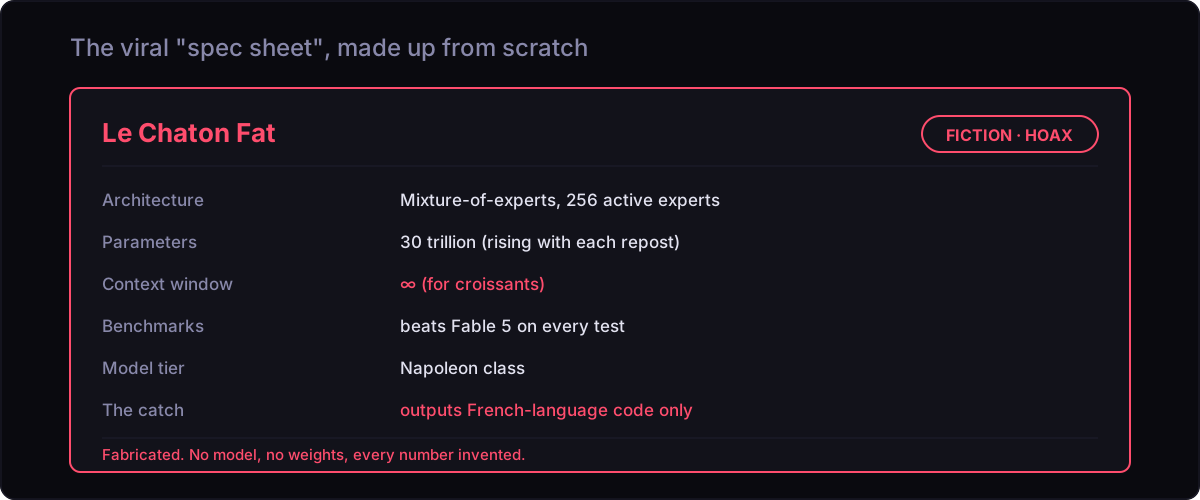
In June 2026, screenshots of a new Mistral model called Le Chaton Fat spread across social media, complete with a spec sheet, a benchmark table, and a release date. None of it was real. Mistral, France’s best known AI company, never built it, the numbers were invented, and even the name is a gag: a pun on Le Chat, Mistral’s former chatbot, twisted into “the fat kitten.” The hoax itself is harmless. What the joke was built to make you believe is the part worth a few minutes, because the same trick quietly settles a much bigger question: whether Europe can build serious AI at all.
The joke was never really about a model
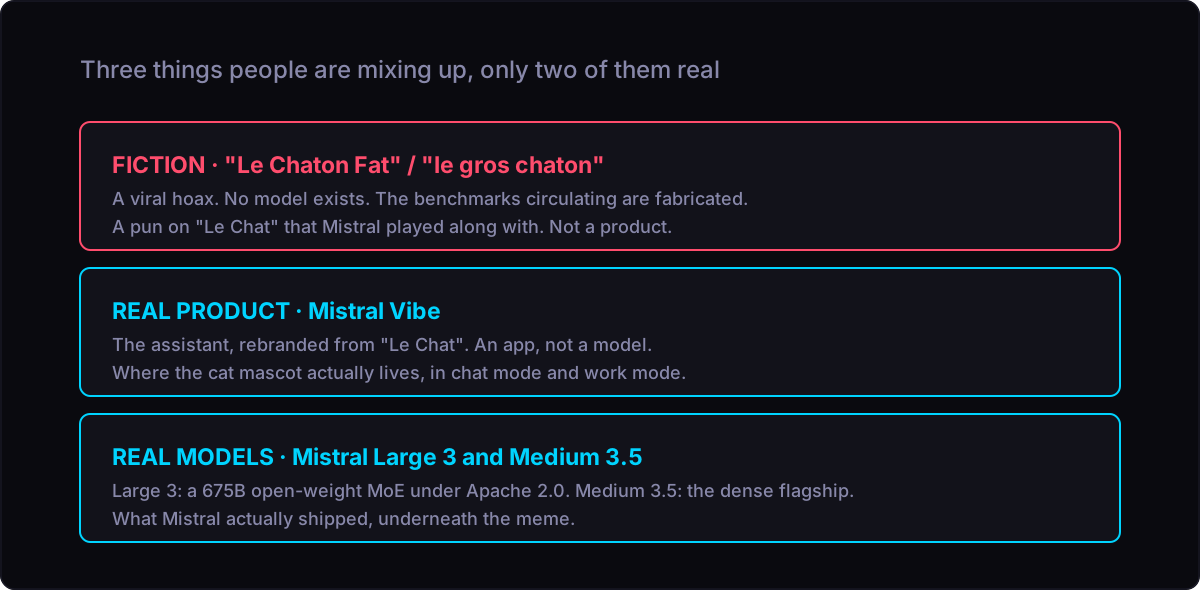
The prank had a real starting point. In spring 2026, Mistral renamed its chatbot from Le Chat to Vibe, and “Le Chat” meaning “the cat” in French did the rest. Someone reframed it as “Le Chaton Fat,” a mock-French bloated kitten, and dressed it up like a product launch: an invented spec sheet for a giant model that supposedly crushed every rival, with tells like a giveaway joke about an unlimited memory “for croissants.” The layout copied a genuine Mistral announcement closely enough that people reshared a screenshot as if it were news.
Mistral’s CEO, Arthur Mensch, did not push back. He played along, and within a week the company had turned the meme into marketing, giving the Vibe page a cat mascot. Everyone enjoyed that part. The part most people skipped is who started the joke and why. The loudest spread came from accounts that treat any claim that a European lab belongs alongside OpenAI or Anthropic as a punchline. Seen that way, Le Chaton Fat is not a comment on one model. It is a bet that you will measure Europe by the size of its chatbot, and laugh. Take the bait and you have already accepted the scoreboard the joke was rigged around.

One scoreboard is not the whole game
There is a real scoreboard behind the joke. The most visible AIs, the ChatGPT style chatbots (the industry calls the biggest of them “frontier” models), are ranked on public tests called benchmarks, and on those rankings the largest American and Chinese models lead. By that single measure, Europe trails. The trick is to treat that one ranking as the final word, when for most people who actually use AI it is not even the important one. Two other things matter more, and the weeks around the meme made both unusually clear.
Can you own the model, or only rent it?
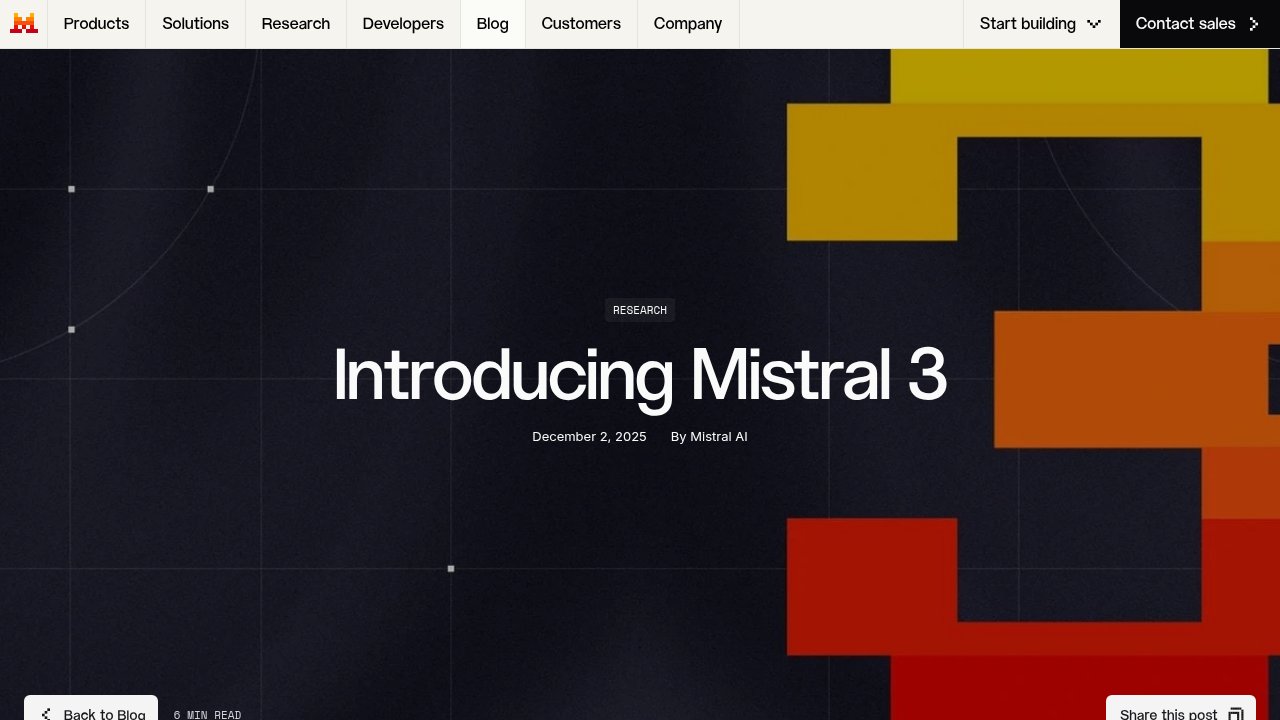
Start with the real Mistral models the joke was riffing on. The flagship, Large 3, was released in December 2025 with one feature that matters more than any benchmark: it is open weight, under a license called Apache 2.0. In plain terms, you can download the model, run it on your own computers, and use it commercially, without asking anyone and without sending your data through a foreign company’s service. That is a fundamentally different product from a chatbot you reach only through someone else’s website, and ranking the two on the same test misses what each is for.
Why that ownership matters stopped being abstract this month. In June 2026, the US government ordered Anthropic, an American lab, to suspend two of its most capable models, Fable 5 and Mythos 5, worldwide over a security concern, and the company had to switch them off for paying customers while it complied. We looked at one of them in our Fable 5 versus Opus breakdown. That is the risk a rented model carries: it can be pulled out from under you by a rule made in another country. A model already sitting on your own hardware does not get recalled. This is what “sovereignty” actually means once you strip away the politics: weights you hold rather than access you borrow. And if you want to tailor an open model to your own work, that path is open too, as our practical fine-tuning guide walks through.
The AI nobody memed: spreadsheets, not chat
Here is what the joke buried entirely. The most genuinely cutting edge AI to come out of France this year is not a chatbot at all, and almost nobody posted about it.
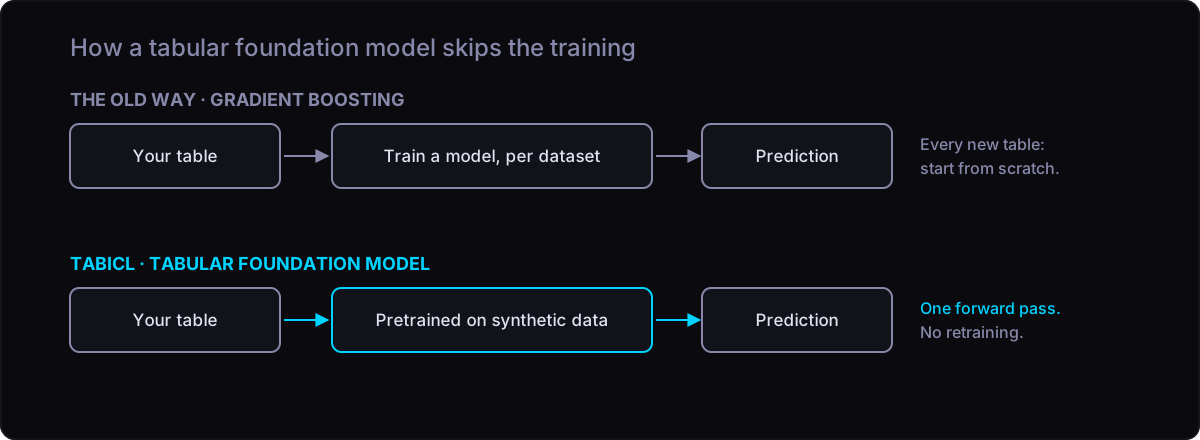
It works on the data that actually runs most businesses: spreadsheets. Rows and columns. One line per customer, per transaction, per patient, per loan. This kind of table has resisted the deep learning revolution for twenty years; the reliable champion has stayed a decades old statistical method (gradient boosting, the engine behind tools like XGBoost), because predicting the next word in a sentence is simply not the same skill as spotting a pattern across a table of numbers.

The new model, called TabICL, comes from the Inria team that maintains scikit-learn, the open source toolkit a huge share of the world’s data scientists already use. It learns to read a table in one go, without being retrained for each new dataset, and it beats heavily tuned gradient boosting on roughly 80% of a standard industry benchmark. Its predecessor, TabPFN, was published in the scientific journal Nature in early 2025, the kind of venue that signals real research rather than a launch thread. It does not replace chatbots; it does the thing chatbots are bad at, on the plain tabular data nine companies out of ten actually have. Measure European AI only by who builds the biggest chatbot, and you miss the frontier where Europe is already in front.
What is actually worth watching
Ignore the Le Chaton Fat specs; they were never real. Then drop the reflex the joke was exploiting, and stop ranking AI, and Europe, by chatbot leaderboards alone. Three things tell you more. First, ownership: can you run the model yourself, or can it be switched off from afar. Second, fit: a model that nails your specific job beats a leaderboard champion you cannot deploy. And third, the parts of AI that have nothing to do with conversation, like the spreadsheet models above, where a chatbot benchmark tells you nothing at all. The fake kitten says nothing about whether Europe has caught up on chatbots. It does remind us that the chatbot scoreboard was never the whole race.
Frequently asked questions
Is Le Chaton Fat a real Mistral model?
No. Le Chaton Fat is a hoax that went viral in June 2026, with no model, no working software, and entirely made up benchmark scores. The name is a pun on Le Chat, Mistral’s former chatbot, and the screenshots came mostly from accounts mocking European AI. Mistral never released anything by that name, though its CEO joined the joke and the company added a cat mascot to its product page.
What did Mistral actually release?
A real product and real models, on different levels. Vibe is the new name for its chatbot, the everyday app most people touch. Underneath sit its actual models, including Large 3, released in December 2025 as an open weight model under the Apache 2.0 license, which anyone can download and run on their own machines. Benchmarking “Vibe” only ever measures whichever model is doing the work behind it.
What is the real French AI breakthrough behind the joke?
It is TabICL, an AI for spreadsheet style data, built by the Inria team behind scikit-learn, the toolkit most data scientists already use. It reads a new table in a single pass, without retraining, and beats long dominant statistical methods on about 80% of a standard benchmark. Its predecessor was published in the journal Nature in early 2025. Notably, it is not a chatbot.
Why is “is Mistral as good as ChatGPT” the wrong question?
Because Mistral is not trying to win the biggest chatbot contest. Its value is models you can own and run yourself, and specialized models tuned to a company’s own work, neither of which a benchmark against ChatGPT measures. When the US government forced an American lab to suspend its top models worldwide in June 2026, it showed exactly the risk that owning your model is meant to avoid.
Is there a Mistral 4 or Large 4 coming?
Nothing has been announced. As of mid 2026 the current generation is Mistral 3, with Large 3 at the top, and no Mistral 4 appears in any official product information. Any post claiming a next generation model is rumor, and after the Le Chaton Fat episode, a screenshot is the weakest possible evidence for one.
Photo : Yan Krukau / Pexels