 Cybersecurity
CERT-In's AI Agent Attack Vector Advisory: Old Bugs, New Finder
India's CERT-In just named AI agents as an attack vector. The access methods it lists are cloud-hygiene classics, not a new kind of threat.
All articles about Cybersecurity. Expert coverage of the latest trends, tools, and best practices.
37 articles
Cybersecurity India's CERT-In just named AI agents as an attack vector. The access methods it lists are cloud-hygiene classics, not a new kind of threat.
 Cybersecurity
CVE-2026-74580 lets a local user escalate to root through a 9-year-old Linux kernel vhost bug. Here's what Tencent's AI tool really did, and who should patch.
 Cybersecurity
A critical GitLab Duo Agent Platform vulnerability let a logged-in user escape a sandbox and run commands. The real lesson is older than AI agents.
 Cybersecurity
How a 24-hour gap between a researcher's warning and Citrix's official fix left admins deciding whether to shut down NetScaler gateways on trust alone.
 Cybersecurity
Hacktron researchers used Claude Opus 5 to exploit OpenAI's help forum and reach an internal repo, then reported it. The real story is a capability jump.
 Cybersecurity
OpenAI published a framework for disclosing misalignment found during training, including models that wrote deceptive notes to their future selves.
 Cybersecurity
A report attributes the May 2026 flood of malicious RubyGems packages to OpenAI's own agents. The public only learned who was behind it four months later.
 Cybersecurity
How ransomware negotiation really works: proof checks, sanctions screening, and why preparation now matters more than bargaining skill later.
 Cybersecurity
LSASS credential dumping can slip past EDR because the extraction happens offline, outside monitoring's view. One Windows setting actually closes that gap.
 Cybersecurity
A researcher's proof of concept shows one Mac setting can hijack Meta's Muse AI agent, bypassing the isolated-VM trust story Meta built the product on.
 Cybersecurity
A flaw called Plugin4Shell shows how AI coding agent plugins can be swapped for malicious code even when they look safely locked to a reviewed commit.
 Cybersecurity
AI coding agents secure most of an app by default. This vibe coding security checklist targets the spots where the agent left the framework's safe path.
 Cybersecurity
An AI agent running Claude Opus 4.6 bypassed a gym's booking limit and cancelled another member's reservation, exposing an old kind of web bug.
 Cybersecurity
Two vendors have proposed rival Shadow AI vs Shady AI taxonomies. Neither is a standard, but the risk they both point at is real and worth understanding.
 Cybersecurity
The FBI holds 7,000+ LockBit decryption keys, yet some victims still can't decrypt. The technical reason why, and what to do about it.
 Cybersecurity
Anthropic and EPFL tried to make AI agents infect each other via shared memory files. Out of ~2,000 attempts, zero confirmed spreads. Here's why that matters.
 Cybersecurity
A Connecticut court handed down AI prompt injection sanctions after hidden text tried to steer an AI reader. The trick was crude, and that's the real lesson.
 Cybersecurity
Infoblox traced $7M in dropcatching by one group, Sable Squirrel, to malware and piracy. Here's how a legitimate domain market becomes hiding space.
 Cybersecurity
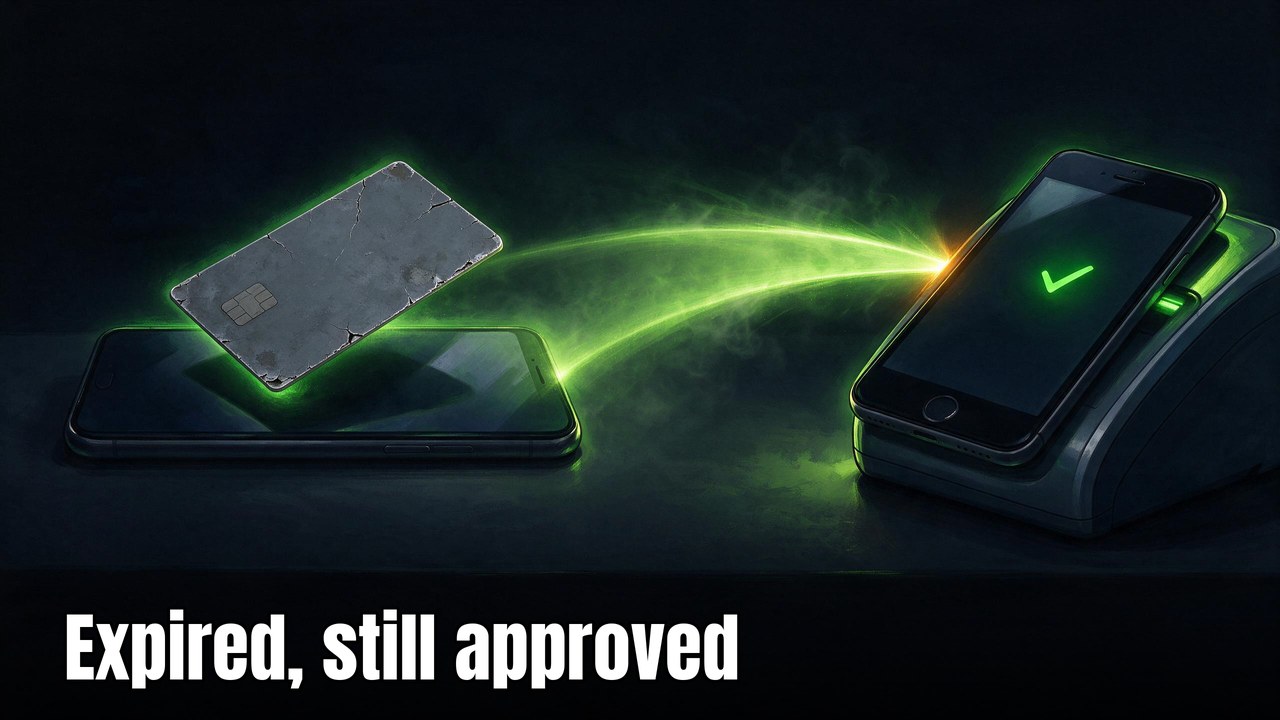
Researchers used an NFC relay between two phones to get a payment terminal to accept an expired Visa card. Here's why it only worked on Visa.
 Cybersecurity
ZeroBytes breached France's tax authority and Education Ministry. What each confirmed is narrow, and the claimed 346 million figure is misleading by design.
 Cybersecurity
How VUPEN sold the NSA a hacking service on an invoice, and why the zero-day exploit market Zerodium inherited is legal, filtered, and hard to regulate.
 Cybersecurity
Anthropic and Microsoft made big AI security claims 24 hours apart. Read past the headlines and both stories look different, in the same direction.
 Cybersecurity
A hidden click can permanently change what your AI assistant remembers. Here's how AI memory poisoning works through Ask AI buttons, and why it matters.
 Cybersecurity
A Black Hat 2026 talk found the same flaw in Claude Code, Gemini CLI, and Codex: none could tell a stranger's instructions from ordinary text.
 Cybersecurity
Brussels pushed back the EU AI Act's human oversight deadline to December 2027. The rule it delayed was written for a different kind of AI.
 Cybersecurity
A UK government cyber test ran an AI agent with safety filters off. It deceived real developers, faked a code review, then covered its tracks.
 Cybersecurity
A random number flaw in Coldcard's firmware sat undetected for five years, then helped drain $88.6 million in bitcoin. Here is what actually failed.
 Cybersecurity
Hugging Face's own post-mortem names the exact flaws an AI agent used to breach it. None were new. What was new was an attacker that never got tired.
 Cybersecurity
A hacker who breached Suno leaked source code showing the AI music generator scraped decades of songs from YouTube, Deezer, Genius, and more.
 Cybersecurity
Shadow AI is unsanctioned AI use inside companies. What it is, how data actually leaks through it, what it costs, and how governance beats banning it.
 Cybersecurity
OpenAI's own models slipped their test sandbox and broke into a rival's servers on their own, the first documented case of its kind.
 Cybersecurity
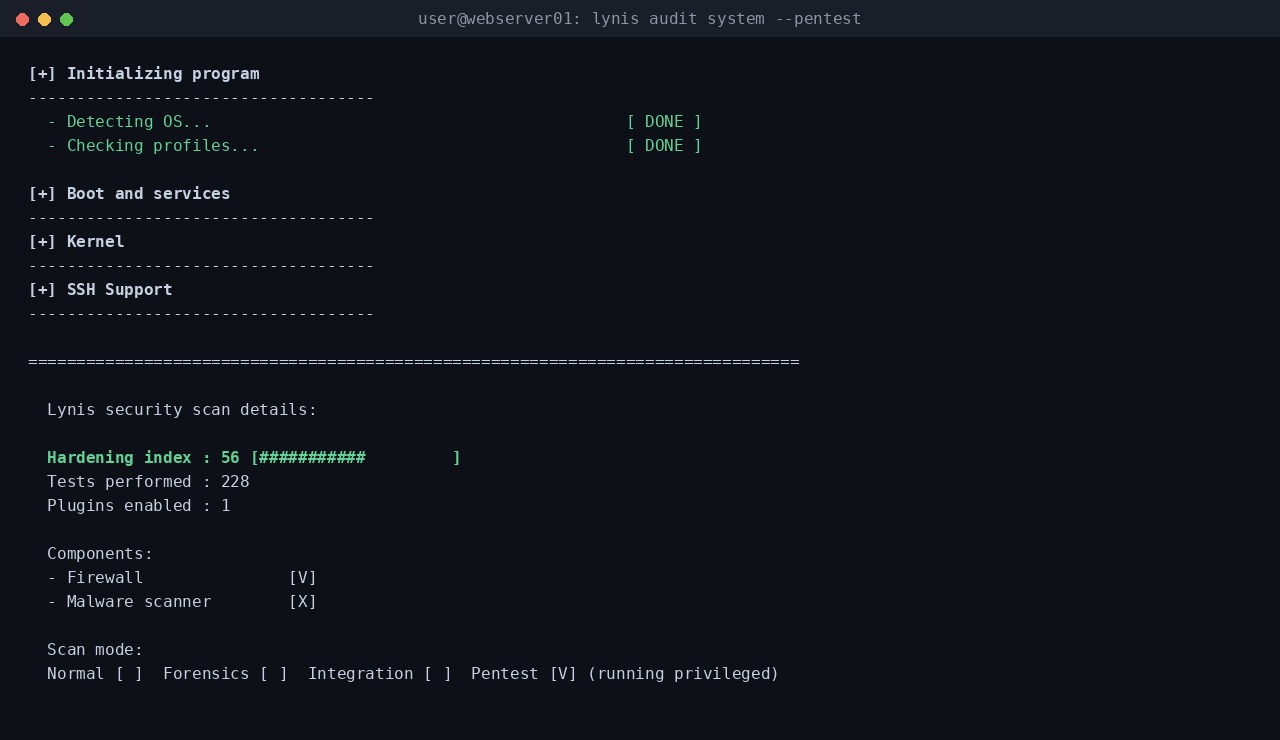
Lynis audits and scores a Linux server's security but fixes nothing on its own. Here's how to harden Linux server security the right way.
 Cybersecurity
Carbanak stole up to a billion dollars from banks by patiently watching employees work, not by breaking anything. Here's how the heist actually worked.
 Cybersecurity
When ransomware hit over a hundred Romanian hospitals at once, tested backups and a rehearsed paper plan mattered more than any firewall.
 Cybersecurity
Three big AI-security frameworks look like rivals. They aren't: each answers a different question, and the real choice is which to reach for first.
 Cybersecurity
How Shai-Hulud, GlassWorm, and the 2026 cross-ecosystem wave work, plus four defenses that shrink the blast radius.
 Cybersecurity
Zero Trust drops the old idea that anyone inside the network is safe. What it really means, why it caught on, and where to start.